Sodium Hydroxide Cost Comparison: Liquid Versus Solid Pricing
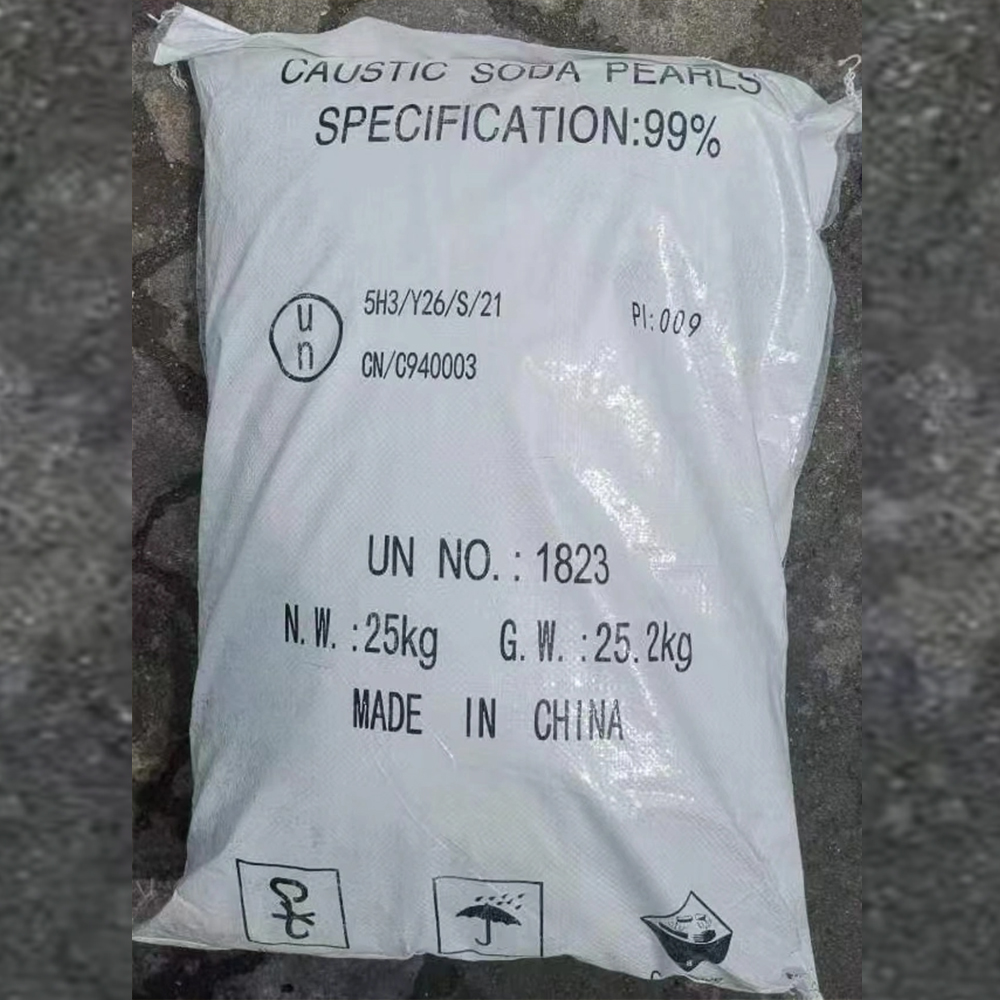
Industrial sodium hydroxide procurement involves navigating a complex landscape where unit-price comparisons frequently mask the true financial impact on manufacturing budgets. Focusing exclusively on base quotation numbers obscures critical variables such as freight dynamics, dissolution overhead, and handling infrastructure limits. Total landed cost requires factoring in freight modes, handling infrastructure, and dissolution overhead rather than relying solely on base quotation prices.
This evaluation establishes a comprehensive framework to assess the total cost of ownership between bulk liquid delivery and solid forms across diverse manufacturing environments. Sourcing directors must weigh upfront material costs against the ongoing operational expenditures demanded by different supply formats in water treatment, chemical processing, and related sectors.
Moving Beyond Base Quotation Prices to Calculate Total Landed Cost
Base quotation pricing structures frequently misrepresent the financial impact of industrial sodium hydroxide procurement because they exclude ancillary operational burdens. Sourcing budgets built exclusively on initial unit rates overlook the significant financial variances introduced by freight distance, destination infrastructure readiness, and preparation requirements across applications like water treatment, paper making, and textile manufacturing.
Freight Dynamics and Logistics Impact
Transport logistics regularly constitute a major portion of total landed expenditure for high-volume chemical shipments. Geographic distance, transport mode selection, and fuel surcharges alter the final cost per unit significantly before the material ever reaches the facility gate. Supply chain planners must evaluate whether regional delivery routes or long-distance haulage aligns better with annual consumption forecasts in sectors such as chemical fertilizer and oil processing.
Dissolution Overhead and Infrastructure Demands
Transitioning between delivery formats introduces hidden preparatory expenses that change the economics of chemical sourcing. Solid delivery configurations require dedicated dissolution vessels, mechanical agitators, and continuous monitoring systems to achieve the required concentration levels prior to downstream introduction in fine chemical or pharmaceutical plants. These infrastructure prerequisites demand substantial capital deployment upfront, shifting the true financial threshold well beyond the manufacturer's invoice.
Cost and Operational Comparison of Liquid Versus Solid Delivery Forms
Comparative Financial Profiles of Fluid and Dry Delivery Channels
Procurement directors evaluating fluid versus solid procurement channels must weigh upfront equipment investments against ongoing material handling efficiencies. Fluid shipments eliminate the labor overhead associated with bag opening, dissolution tank management, and manual residue disposal, but require dedicated delivery offloading protocols at the receiving dock.
Dry formats eliminate transit freezing vulnerabilities during extreme winter transport conditions, yet introduce operational expenses related to dust abatement and specialized worker protective gear. Dissolution systems required to convert solid inventory into operational solutions demand continuous maintenance to prevent scaling and nozzle blockages, which directly impacts plant uptime.
| Supply Format | Suitability for Humid Environments | Price Tier | Required Documentation |
|---|---|---|---|
| Liquid Solution | High containment resilience | Varies by volume tier | Documentation available from the supplier |
| Solid Form | Requires moisture-sealed storage | Varies by volume tier | Documentation available from the supplier |
Infrastructure Demands and Facility Adaptation Costs
Storage installation requirements for high-concentration solutions dictate the initial capital expenditure threshold for chemical processing facilities. Secondary containment dykes, chemical-resistant piping networks, and automated level-monitoring instrumentation must be engineered prior to accepting the initial delivery.
Solid inventory management requires dry warehousing space equipped with climate control to prevent caking and moisture absorption during extended storage periods. Material transfer pumps and automated feeders associated with liquid handling systems present a different maintenance profile compared to the mechanical conveyors and mixing augers required for dry storage operations.
Mitigating Cyclical Volatility Through Pricing Strategies and Long-Term Contracts
Impact of Purity Variations on Downstream Processing Efficiency and Product Quality
Chemical purity grade selection dictates the operational efficiency and finished output quality across sensitive manufacturing environments like food production, pharmaceutical synthesis, and daily chemical formulation. Trace contaminants present in variable-grade feedstock can disrupt catalytic pathways, foul filtration membranes, and introduce discoloration into synthetic fibers and organic synthesis batches.
Effects on Processing Efficiency
Process plants utilizing industrial chemicals in applications such as sewage disposal, organic synthesis, and chemical fertilizer manufacturing experience distinct throughput fluctuations depending on feedstock consistency. Elevated levels of metallic or insoluble byproducts in the raw material demand more frequent membrane backwashing, increased filtration frequency, and higher chemical consumption to achieve the target reaction kinetics.
Unplanned downtime accumulates rapidly when fluctuating feedstock compositions force maintenance teams to interrupt continuous operations for mechanical clearing. Sourcing directors evaluate these variables alongside base unit pricing to prevent secondary production bottlenecks in high-volume processing lines.
Influence on Finished Product Quality
Precision sectors including fine chemical manufacturing and pharmaceutical production are particularly vulnerable to minute compositional deviations in raw material inputs. Trace ionic contaminants or particulate residues transfer directly into the final output, resulting in off-spec batches, diminished shelf life, and compromised regulatory compliance for downstream brand owners.
Manufacturing facilities mitigate these risks by establishing strict purity thresholds tied to specific operational requirements rather than relying on generalized market grades. The financial impact of a single rejected production lot frequently exceeds the marginal savings achieved by procuring lower-tier chemical inputs.
Operational Yield Optimization Across Industrial Sectors
Yield stability across diverse industries depends heavily on aligning material specifications with the exact tolerance limits of the processing equipment. Water treatment facilities, non-ferrous metal smelting plants, and printing and dyeing operations each require tailored chemical purity profiles to maintain optimal reaction efficiency and extend equipment service life.
Procurement strategies that account for purity-driven yield variations ensure that raw material investments directly support long-term plant productivity and minimize downstream waste generation.
Evaluating Capital Expenditure and Operational Limits of Storage Infrastructure
Capital Expenditure Thresholds for Storage Sites
Tankage configuration, containment berms, and transfer pumping systems dictate the upfront capital expenditure required before industrial sodium hydroxide can be received safely. Facility upgrade expenses vary depending on geographic location, local building codes, and existing utility connections within water treatment or chemical processing plants.
Tank material selection remains critical for preventing structural degradation during long-term containment. Double-walled containment setups and heat trace integration prevent crystallization during low-temperature cycles across applications like sewage disposal and oil processing.
Operational Boundaries of High-Concentration Handling
Safety perimeters around offloading zones depend on pump pressure ratings, valve actuation speeds, and operator proximity protocols. High-concentration liquid solutions demand strict adherence to personal protective equipment mandates and continuous leak detection sensor arrays across pulp production and textile manufacturing sites.
Overfilling prevention systems and automatic shut-off valves mitigate spill risks during high-volume delivery transfers. Facility managers balance capital investments in secondary containment against the ongoing operational savings achieved through bulk liquid handling efficiencies.
Synthesizing Procurement Data to Optimize Your Annual Chemical Budget
Unified financial assessment models integrate landed freight variations, tiered supply agreements, and purity specifications into a single matrix. Chemical sourcing directors evaluating proposals for applications such as pharmaceutical manufacturing and sewage disposal must reconcile these operational variables against annual consumption forecasts.
Evaluating vendor bids requires analyzing the total financial exposure by combining transport logistics with material purity yields. Multi-year contracts tied to indexed price adjustments help stabilize procurement expenditures across volatile market cycles.
Balancing capital investments in storage infrastructure with ongoing operational savings ultimately depends on facility scale and regional delivery logistics. Sourcing teams align these variables to secure predictable budgets and efficient processing yields.
Frequently Asked Questions
Volume-based tiered pricing and indexed long-term supply contracts serve as established industry norms for securing predictable arrangements. These mechanisms help stabilize annual chemical procurement budgets by linking unit rates to consumption thresholds or market indices. Sourcing directors negotiate these frameworks to protect operations against sudden market spikes.
Trace impurities directly influence downstream processing efficiency and finished product quality in sensitive manufacturing environments. Variations in raw material specifications affect overall operational yields across food, paper, textile, and water treatment operations. Sourcing teams align purity requirements with the specific tolerance levels of their end-use applications.
Facility upgrade costs and ongoing operational savings dictate the financial boundaries of deploying high-concentration liquid solutions. Storage and handling infrastructure requirements influence total cost of ownership across applications like sewage disposal and artificial fiber production. Procurement managers assess local containment regulations and offloading speed requirements before approving capital expenditures.
Tiered pricing structures adjust unit rates based on total volume commitments agreed upon within supply contracts. Organizations with predictable, high-volume demand in sectors such as oil processing and chemical fertilizer capture lower unit costs. Purchasing directors evaluate consumption forecasts to determine which volume bracket optimizes total annual expenditure.
Base quotation prices exclude critical ancillary operational burdens such as freight dynamics, dissolution overhead, and destination infrastructure limits. Sourcing budgets built exclusively on initial unit rates overlook financial variances introduced by preparation requirements. Factoring in handling infrastructure ensures accurate budgeting for manufacturing facilities.
Conclusion
Internal supply chain reviews require evaluating freight logistics, discharge capabilities, and annual volume thresholds simultaneously to prevent hidden expenses from eroding manufacturing margins. Facilities processing chemical inputs across food production and sewage disposal must audit destination infrastructure readiness before finalizing multi-month purchasing agreements.
Sourcing directors should request comprehensive total cost of ownership breakdowns that incorporate transport mode selection and storage holding overhead, depending on the agreed delivery port and annual consumption volume. Prospective vendors must provide verifiable documentation for tiered pricing schedules, ensuring that volume-based discounts directly align with projected operational intake rates.