NEWS
-
 Compare 90% and 85% Sodium Isopropyl Xanthate grades, sulfide flotation uses, composition limits and package sizes before ordering.Read more
-
 Compare Mono Ammonium Phosphate(MAP) grades, listed nitrogen and P2O5 values, packaging, uses, and storage conditions before ordering.Read more
-
 Answers to common buyer questions about Fire Assay Flux — what it is, how it works in the fire assay process, typical ingredients, customization options, packaging, and how to order from HEBEI FIZA TECHNOLOGY CO., LTD.Read more
-
 Learn how to select the right Sodium Persulfate grade by checking assay purity, trace-metal limits, moisture, and pH against your process needs in environmental remediation, polymerization, and metal treatment.Read more
-
 A buyer's guide to Calcium Ammonium Nitrate (CAN): key specification parameters to verify, crop and soil situations where CAN delivers best results, and packaging and storage factors to confirm before ordering.Read more
-
 A practical procurement guide for Chlorine Dioxide Generating Powder / Tablet: compare powder vs. tablet forms, ClO₂ concentration grades, packaging sizes and application requirements before buying.Read more
-
 A practical buyer's guide to Mono Potassium Phosphate (MKP): confirmed specifications (P₂O₅ ≥ 52%, K₂O ≥ 34%), application fit across agriculture, fermentation and industrial uses, and a procurement checklist from HEBEI FIZA TECHNOLOGY CO., LTD.Read more
-
 Learn the key criteria for selecting a Fire Assay Cupel — MgO content, working temperature, porosity, and lead-absorption rate — and check whether HEBEI FIZA TECHNOLOGY CO., LTD.'s magnesia cupel fits your precious-metal assay workflow.Read more
-
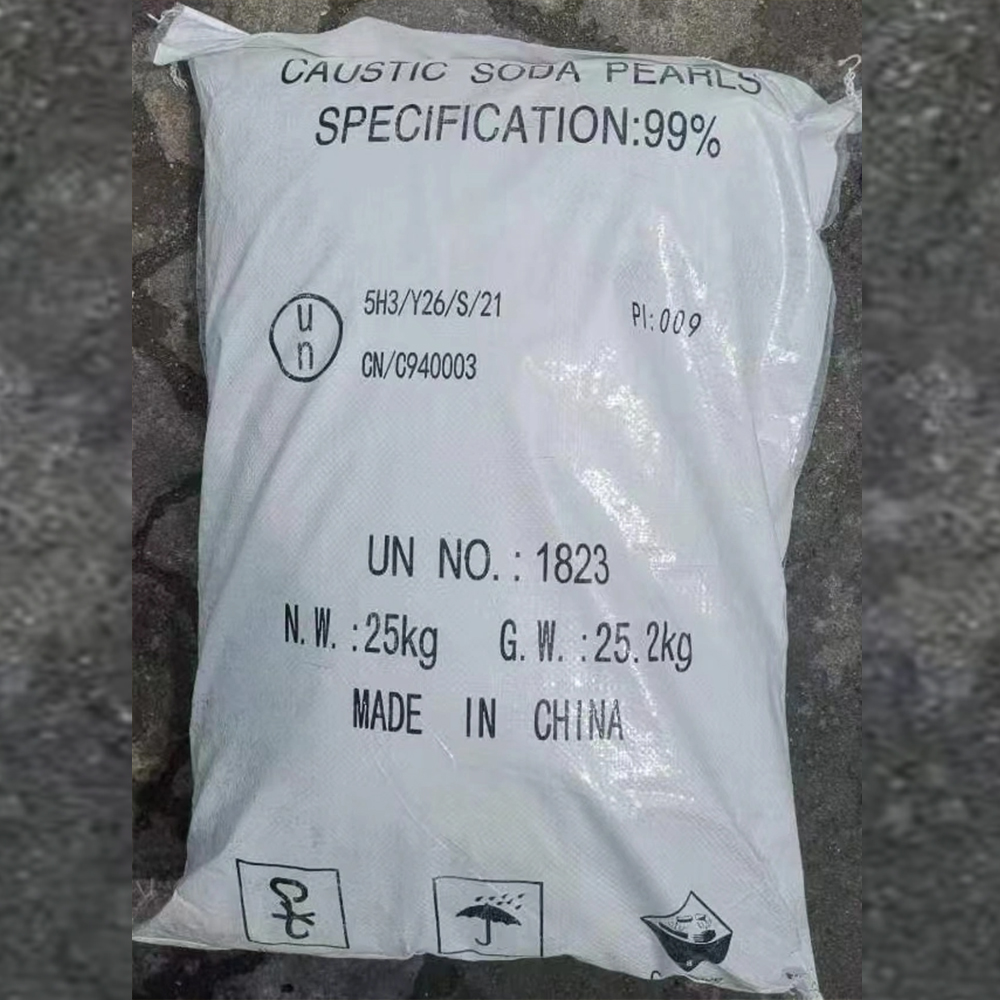 Liquid sodium hydroxide lowers labor expenses while solid flakes reduce transport overhead. Total landed cost depends on volume, storage, and purity.Read more
-
 Advancing Pool Hygiene with Clean Water Technology Swimming Pool Solutions Maintaining a pristine aquatic environment requires more than just basic filtration; it demands a scientific approach to water chemistry and purification. The implementation of clean water technology swimming pool systems ensures that water remains crystal clear, safe for swimmers, and free from harmful pathogens. By integrating advanced chemical treatments and automated monitoring, facility managers can significantly reduce manual labor while enhancing water quality. In this guide, we explore the essential components and the latest innovations that define modern pool sanitation and the role of high-purity chemical raw materials in achieving these standards.Read more
-
 Maintaining crystal clear and hygienic water is the top priority for any pool owner or facility manager. Implementing a professional chlorination system for swimming pool is the most effective way to eliminate harmful bacteria, algae, and organic contaminants. By automating the disinfection process, these systems ensure a consistent level of sanitizer, reducing the manual labor and guesswork associated with traditional chemical dosing. In this comprehensive guide, we will explore the technical aspects, different types of systems, and the chemical synergy required to keep your aquatic environment safe and inviting for all users.Read more
-
 Effective Anti Algae Treatment for Swimming Pools: A Complete Guide Maintaining a crystal-clear pool requires more than just basic filtration; it demands a strategic approach to chemical balance. Implementing a professional anti algae treatment for swimming pools is essential to prevent the growth of unsightly green, yellow, or black algae. Algae blooms not only ruin the aesthetic of your backyard oasis but can also create slippery surfaces and compromise water hygiene. In this guide, we will explore the most effective chemical solutions, the role of high-purity mineral additives, and a step-by-step approach to keeping your water pristine year-round.Read more