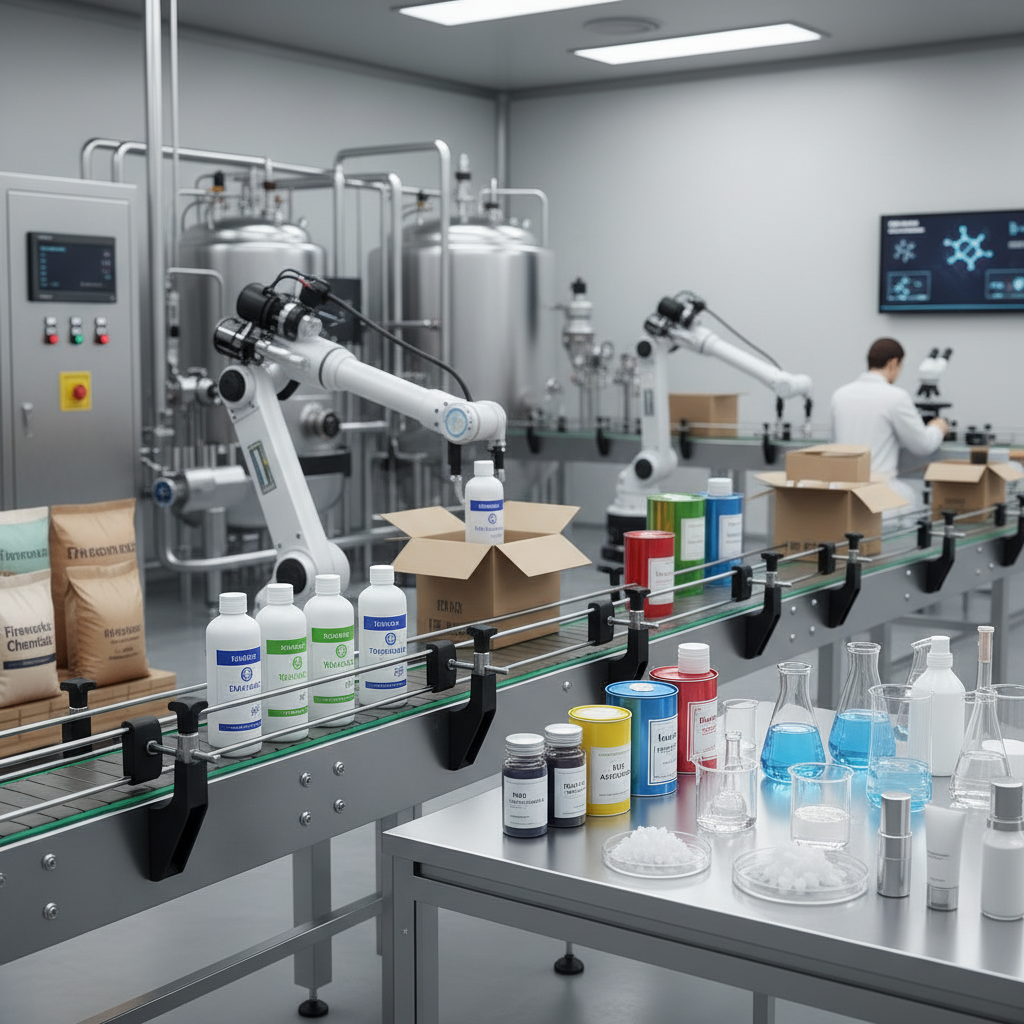
An etp chemicals supplier provides the specialized reagents and chemical agents necessary for Effluent Treatment Plants (ETP) to remove contaminants from industrial wastewater. These suppliers ensure that factories can treat toxic discharge through coagulation, flocculation, and neutralization, transforming hazardous waste into environmentally safe water before it is released into natural water bodies.
In the modern industrial landscape, failing to maintain a precise chemical balance in wastewater treatment can lead to severe regulatory penalties and ecological damage. Industries ranging from textile and dye to pharmaceutical and chemical manufacturing face the challenge of fluctuating pollutant levels, requiring a supplier that can provide consistent purity and tailored formulations to meet strict environmental standards.
This guide examines the critical role of chemical selection in wastewater management, the technical requirements for high-performance ETP agents, and how to evaluate a procurement partner to ensure operational stability. Readers will gain insights into optimizing their treatment workflows and reducing long-term operational costs through strategic chemical sourcing.

1Fundamental Role of ETP Chemicals in Wastewater Treatment

Effluent Treatment Plants rely on a precise sequence of chemical reactions to separate solids from liquids and neutralize pH levels. An etp chemicals supplier does not merely provide products but facilitates the chemistry required to destabilize colloidal suspensions. By introducing coagulants and flocculants, the system can aggregate microscopic particles into larger "flocs" that are easily removable via sedimentation or filtration.
The process typically begins with primary treatment, where chemicals like lime or sulfuric acid are used for pH adjustment. This ensures that subsequent biological or chemical stages operate under optimal conditions. Without high-purity reagents, the risk of introducing secondary contaminants into the wastewater stream increases significantly.
Furthermore, the interaction between the specific waste matrix and the chosen chemicals determines the overall efficiency. A professional supplier analyzes the wastewater composition—such as COD, BOD, and TSS levels—to recommend the most effective reagent blend for the specific industrial application.
2Core Categories of Effluent Treatment Reagents
Chemicals used in ETP are generally categorized by their function within the treatment cycle. Coagulants, such as Aluminum Sulfate (Alum) and Ferric Chloride, are used to neutralize the electrical charges of particles. Flocculants, often high-molecular-weight polymers, then bridge these neutralized particles to form larger masses. These two stages are critical for reducing turbidity and removing suspended solids.
Another essential category includes pH regulators and disinfectants. Sodium Hydroxide and Hydrochloric Acid are used to maintain the neutrality of the water, which is vital for the survival of microbes in biological treatment stages. For the final stage, oxidizing agents like Sodium Hypochlorite are employed to eliminate pathogens before the water is discharged.
Additionally, specialized chemicals for heavy metal precipitation are used in mining and electroplating industries. These agents react with dissolved metals to form insoluble precipitates, ensuring that toxic elements like lead, chromium, and mercury do not enter the ecosystem.
3Practical Application Scenarios and Workflows
In a typical industrial workflow, the application of chemicals follows a rigorous sequence. First, the raw effluent enters a balancing tank where pH adjustment chemicals are added. This stabilization prevents "shock loads" from disrupting the biological reactors. In textile industries, for example, decolorizing agents are added at this stage to break down complex organic dyes that are resistant to biological degradation.
The second stage involves the rapid mix tank, where coagulants are introduced. High-speed agitation ensures the chemicals are distributed evenly, allowing them to react instantly with the pollutants. This is followed by a slow-mix stage where flocculants are added to encourage the growth of large flocs, which then settle in the clarifier.
Finally, the supernatant water may undergo tertiary treatment, including activated carbon filtration or advanced oxidation processes (AOP). These steps remove trace organic compounds and ensure that the water meets the most stringent regulatory discharge limits for chemical oxygen demand (COD).
4Analyzing Chemical Performance and Efficiency Metrics
Evaluating the performance of an etp chemicals supplier requires looking beyond the unit price. The true metric of success is the "cost per cubic meter" of treated water. High-purity chemicals often require lower dosages to achieve the same results, which reduces the volume of chemical sludge generated and lowers the cost of sludge disposal.
Efficiency is also measured by the stability of the effluent quality. Consistent chemical composition from the supplier ensures that the ETP does not require constant readjustment, reducing the risk of non-compliance during unexpected surges in pollutant load.
etp chemicals supplier Performance Metrics
As illustrated in the performance comparison, partnering with a specialized supplier typically results in higher purity consistency and better compliance rates. This reliability translates to lower operational risks and a more sustainable environmental footprint for the industrial facility.
5Strategic Procurement and Supplier Evaluation
When selecting an etp chemicals supplier, procurement teams should prioritize technical support over low-cost bidding. A supplier that offers on-site water analysis and dosage optimization helps the facility run more efficiently. The ability to provide customized blends based on the specific chemical matrix of the waste is a key indicator of a high-quality partner.
Logistics and supply chain reliability are equally critical. Because ETPs operate 24/7, a stock-out of essential reagents can force a complete factory shutdown to avoid illegal discharge. Suppliers with localized warehouses or robust international shipping networks are preferred for critical infrastructure.
Finally, evaluate the supplier's commitment to environmental standards. The use of biodegradable polymers and the reduction of hazardous packaging contribute to the overall sustainability goals of the purchasing company, aligning operational needs with corporate social responsibility.
6Innovation Trends in Industrial Water Treatment
The industry is shifting toward "Green Chemistry," focusing on the replacement of traditional metallic coagulants with organic, bio-based alternatives. These new agents produce less sludge and are easier to handle, reducing the environmental burden of sludge landfilling. Many etp chemicals suppliers are now developing plant-based coagulants derived from chitosan or tannins.
Another significant trend is the integration of automated dosing systems. By using real-time sensors for turbidity and pH, chemicals can be injected precisely according to the current water quality. This reduces waste and eliminates the human error associated with manual dosing.
Furthermore, the move toward Zero Liquid Discharge (ZLD) systems requires highly specialized chemicals for brine treatment and crystallization. This approach allows industries to recover water and salts, turning a waste stream into a potential resource stream.
7Decision Matrix: Choosing the Right Chemical Solution
Choosing between different chemical options requires a balance of efficacy, cost, and safety. While some inorganic salts are cheap, the resulting sludge may be classified as hazardous waste, increasing disposal costs. Conversely, synthetic polymers are more expensive upfront but significantly reduce sludge volume.
The following table provides a comparison of the most common chemical strategies used by an etp chemicals supplier to handle different industrial waste characteristics.
| Agent Type | Primary Use Case | Main Advantage | Primary Limitation |
|---|---|---|---|
| Alum / Ferric | General Turbidity | Low cost, widely available | High sludge production |
| PAM Polymers | Flocculation | High efficiency, low dose | Sensitive to pH levels |
| Caustic Soda | pH Elevation | Strong neutralization | Corrosive handling risk |
| Hypochlorite | Disinfection | Effective pathogen kill | Potential for residual chlorine |
| Organic Coagulants | Eco-friendly Treatment | Biodegradable sludge | Higher unit cost |
| Sulfide Agents | Metal Precipitation | Very low metal residuals | Toxicity if pH drops |
Ultimately, the decision should be based on a comprehensive lifecycle cost analysis. By integrating the costs of chemicals, energy, and sludge disposal, companies can select a solution that provides the lowest total cost of ownership while ensuring 100% regulatory compliance.
Frequently Asked Questions
Conclusion
Maintaining a high-performance Effluent Treatment Plant is a complex balancing act of chemistry, engineering, and regulatory compliance. Selecting the right etp chemicals supplier is a strategic decision that impacts not only the environmental safety of the facility but also its overall operational costs and stability. By focusing on purity, technical support, and lifecycle cost analysis, companies can ensure their wastewater treatment remains efficient and sustainable.
For organizations looking to optimize their treatment workflows or evaluate a new reagent strategy, detailed technical specifications and product information can be found at www.independentchemicalcorp.com.