Reliable Cooling Tower Chemicals Manufacturer for PAM
Maintaining optimal thermal efficiency in industrial cooling systems requires precise chemical intervention to prevent scaling, corrosion, and biological fouling. For procurement managers and plant engineers, selecting a high-performance flocculant and coagulant is critical for managing water quality and reducing operational downtime. Polyacrylamide (PAM), a versatile linear polymer, serves as a cornerstone in these processes due to its exceptional ability to aggregate suspended solids and clarify process water.
Whether utilized in papermaking, mineral processing, or specialized sewage treatment, the choice between anionic, cationic, and non-ionic variants determines the success of the water treatment cycle. As a reliable cooling tower chemicals manufacturer, providing the correct molecular weight and ionization degree is essential for ensuring that industrial systems operate without the risk of clogging or inefficiency. By optimizing the solubility and chemical activity of these polymers, enterprises can significantly lower their environmental footprint and maintenance costs.

Understanding Polyacrylamide Chemistry and Structural Variations
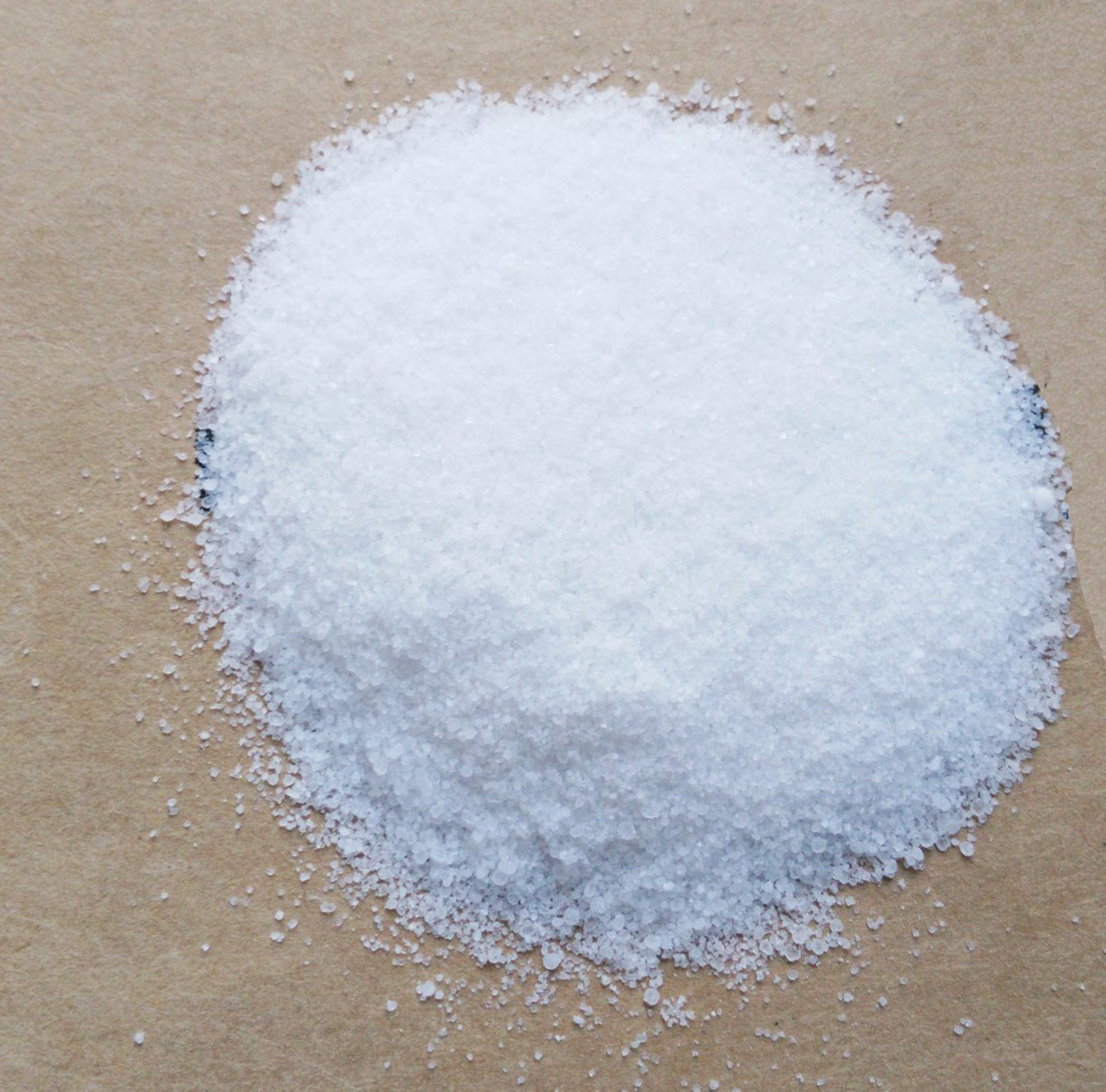
Polyacrylamide is a high-molecular-weight linear polymer available in both dry powder and colloidal forms. Its versatility stems from its chemical structure, which contains a large number of amide groups with high chemical activity. This allows the polymer to be modified into various derivatives, making it adaptable to a wide range of industrial requirements. The performance of the product is primarily defined by its molecular weight—ranging from low to very high (up to 25 million)—and its ionic charge.
The three primary classifications are as follows:
- Anionic Polyacrylamide (APAM): High hydrolysis degree (15%-30%), ideal for treating negatively charged particles and widely used in mineral processing and oil recovery.
- Cationic Polyacrylamide (CPAM): High ionization degree (5%-60%), essential for sludge dewatering and treating organic-rich wastewater.
- Non-ionic Polyacrylamide (NPAM): Neutral charge, often used in specialized thickening applications where ionic interference must be avoided.
In the context of water management, these polymers act as lubricants, suspension agents, and clay stabilizers, preventing the loss of water in drilling and cementing processes while enhancing the efficiency of secondary and tertiary oil recovery.

Industrial Applications and Operational Problem Solving
The deployment of Polyacrylamide across different sectors addresses specific operational challenges. In the papermaking industry, for instance, it replaces traditional coagulants like polyaluminum chloride or aluminum sulfate, offering higher coagulation efficiency and better dewatering of papermaking sludge. This transition not only improves the quality of the final product but also reduces the volume of waste generated during the process.
For printing and dyeing wastewater treatment, where traditional low-molecule coagulants often fail to achieve the required clarity, PAM provides a superior alternative. By operating at an optimum pH of approximately 8.0, it effectively removes complex dyes and suspended solids. Furthermore, in metallurgy and building materials, its role as a thickening agent and water-loss reducing agent ensures structural integrity and process stability.
In drilling and fracturing operations, the polymer acts as a crucial clay stabilizer and oil displacement agent. By managing the viscosity of the fluid, it prevents water plugging and enhances the effectiveness of acidification and cementing, which are vital for maintaining the productivity of energy extraction sites.
Strategic Sourcing and Supplier Quality Evaluation
When evaluating a cooling tower chemicals manufacturer, procurement specialists must look beyond the basic product name. The technical specifications—specifically the molecular weight and the hydrolysis degree—must align with the specific chemistry of the water being treated. A mismatch in the ionization degree can lead to poor flocculation and increased chemical waste.
Reliability in the supply chain is equally important. A supplier with a robust network and specialized production facilities, such as the capacity for sodium chlorite and organic chemicals, can provide a more integrated one-stop solution. This reduces the logistical complexity for the buyer and ensures that all water treatment chemicals are compatible with one another.
Key evaluation criteria for suppliers should include:
- Production Consistency: Ability to maintain stable solid content (>90%) across different batches.
- Customization Capability: Providing specific molecular weights tailored to the target application.
- Certifications: Evidence of safety production and trustworthy enterprise status to ensure sustainable delivery.
- Packaging Integrity: Use of 25kg net kraft bags with PP liners or 1000kg bulk bags to prevent moisture contamination during transit.
Technical Specifications for Polyacrylamide Variants
| Polymer Type | Molecular Weight (Million) | Ionization/Hydrolysis Degree | Solid Content (%) | Recommended pH Range |
|---|---|---|---|---|
| Cationic PAM | 10-12 | 5% - 60% (Ionization) | >90% | 4 - 9 |
| Anionic PAM | 3-25 | 15% - 30% (Hydrolysis) | >90% | 4 - 12 |
| Nonionic PAM | 3-25 | 0% - 5% (Hydrolysis) | >90% | 4 - 12 |
| HPAM (Anion) | High | Variable | >90% | Application-dependent |
| Specialized Grade | Custom | Application-specific | >90% | Variable |
Water Treatment Efficiency and Environmental Impact
The integration of advanced polymers into water treatment cycles significantly enhances the removal of suspended solids and organic pollutants. By accelerating the sedimentation process, these chemicals allow plants to operate with smaller footprint clarification tanks and reduce the frequency of sludge removal. This operational efficiency is directly linked to lower energy consumption and reduced chemical usage over time.
Moreover, the shift toward high-efficiency flocculants reduces the reliance on inorganic salts, which often leave behind heavy metallic residues in the environment. By utilizing linear polymers with high chemical activity, industries can achieve a more sustainable balance between productivity and ecological responsibility, aligning their operations with global environmental standards.
The ability of these polymers to work as water-loss reducing agents is particularly beneficial in the construction and mining sectors. By controlling the viscosity and permeability of the fluid, they prevent the unnecessary depletion of local water resources during industrial processes, contributing to a more circular economy in water management.
Future Trends in Industrial Polymer Application
The trend in chemical water treatment is moving toward "intelligent dosing" and the use of highly specialized copolymers. We are seeing a shift where polymers are engineered for specific molecular targets, allowing for the removal of micro-pollutants that traditional PAM cannot capture. This precision chemistry is becoming essential for industries facing stricter discharge regulations.
Additionally, the demand for "green" chemistry is driving the development of bio-based modifications of polyacrylamide. While the core linear structure remains effective, adding biodegradable side chains can reduce the long-term environmental persistence of the chemical. For the global buyer, this means staying updated on both the traditional specifications and the emerging sustainable alternatives.
Ultimately, the success of any water treatment program depends on the synergy between the chemical's properties and the system's physical parameters. Regular testing of the water's ionic charge and turbidity is recommended to ensure that the polymer type and dosage remain optimized as the source water quality fluctuates.
Frequently Asked Questions About Industrial Polyacrylamide
What is the main difference between anionic and cationic polyacrylamide?
Anionic PAM is negatively charged and typically used for mineral processing, oil recovery, and treating negatively charged particles. Cationic PAM is positively charged and is primarily used for organic sludge dewatering and wastewater treatment in the food or textile industries.
How does molecular weight affect the performance of the polymer?
Higher molecular weight generally increases the bridging capability of the polymer, leading to larger and stronger flocs, which is ideal for rapid sedimentation. Lower molecular weight is often preferred for applications requiring higher solubility or different viscosity profiles.
Which PAM type is best for printing and dyeing wastewater?
Typically, a combination of coagulants and a high-quality anionic or cationic PAM is used depending on the dye charge. For many applications, an optimum pH of 8.0 is maintained to maximize the coagulation efficiency of the polymer.
Can Polyacrylamide replace traditional coagulants like aluminum sulfate?
Yes, in many papermaking and sewage treatment applications, PAM is used as a more efficient alternative. It often requires a lower dosage to achieve the same or better results and produces less chemical sludge compared to traditional inorganic coagulants.
What should I consider when choosing a chemical supplier for these polymers?
Look for suppliers who can provide detailed technical specifications (ionization degree, molecular weight), have a proven track record of quality consistency (solid content >90%), and offer appropriate industrial packaging to prevent product degradation.
How should Polyacrylamide be stored to maintain its quality?
It should be stored in a cool, dry, and well-ventilated area, away from moisture and direct sunlight. Using the original 25kg kraft bags with inner PP liners is essential to prevent the powder from clumping or degrading.
Technical References
- Polyacrylamide chemical properties and synthesis
- EPA Guidelines for Industrial Wastewater Treatment
- Research on Linear Polymers in Mineral Processing
- ISO Standards for Industrial Chemical Packaging and Safety
Choosing the right chemical partner is the first step toward operational excellence. By focusing on precision specifications and supplier reliability, you can ensure your water treatment systems remain efficient, sustainable, and cost-effective.